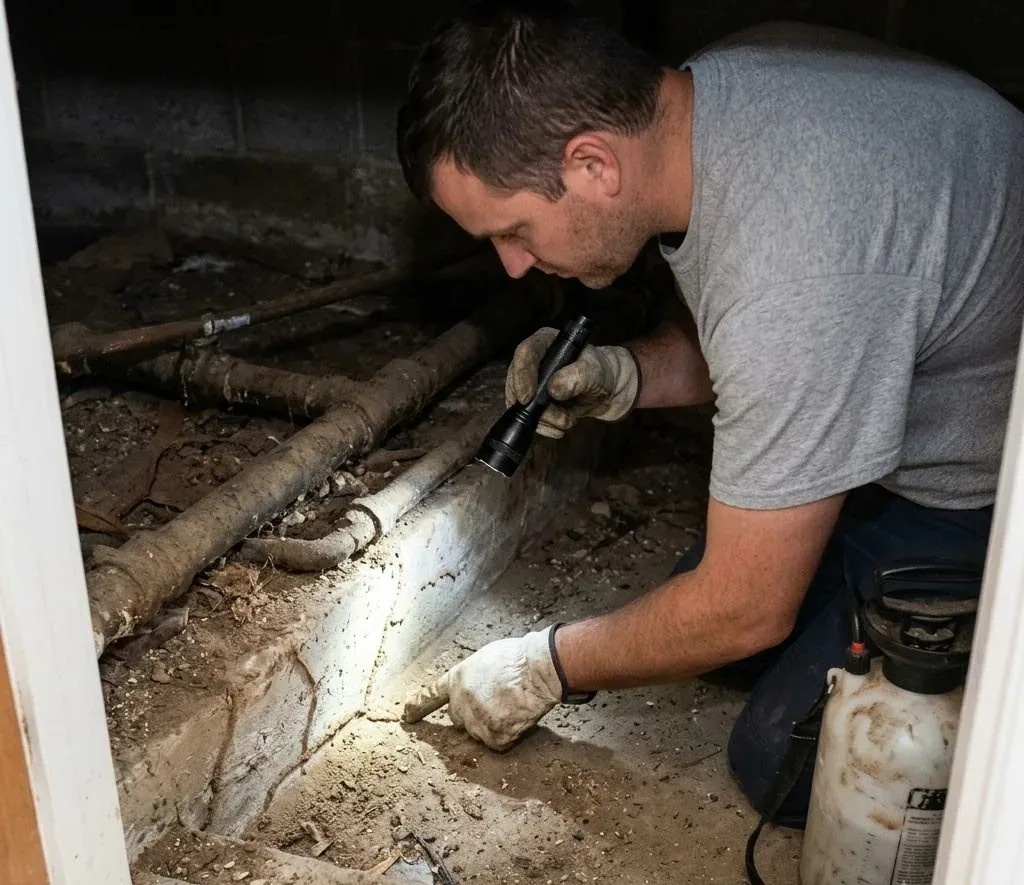
Soil Contact Beneath the House
South Fulton has residential areas near Wilkerson Mill and Interstate 85. Georgia’s general termite guidance makes inspection relevant, but neither a road nor a home’s location confirms activity. The provider needs to assess the individual structure and conditions around it.
Homes near Aerotropolis Nature Park or Trammell Crow Park still need property-specific findings. The inspection can also note wood-to-soil contact around the structure. An inspection can check site conditions without assuming a home is affected.
A South Fulton address near the Georgia International Convention Center still needs an individual service check. The inspection discussion can also cover what signs prompted the question and which parts of the property need attention.
How Termites Reach Wood
- SPECIES CHECK
- Formosan identification should be established from inspection evidence before a provider selects a treatment approach.
- STRUCTURE REVIEW
- Paving and blocked sections can limit where a soil-applied liquid treatment can reach.
- LIQUID ZONE
- Bait stations require periodic checks, and service access should remain clear.
- BAIT PLACEMENT
- A treatment plan should distinguish termite control from repairs to weakened wood.
- PLAN FIT
- A liquid application may intercept soil routes, while bait may target feeding activity; access, site findings, and product directions shape which plan fits.
- MOISTURE SOURCES
- South Fulton’s warm, humid summers provide regional context for termite service. Seasonal weather does not confirm activity at a property. The provider should base treatment on inspection findings, including signs, accessible wood, and moisture conditions around the structure.
- BILLING SCHEDULE
- an estimated $600–$1,800
What A Termite Inspection Can Establish
Drywood termites. Both types can be associated with damaged wood or swarm evidence, so those clues may not settle the identification. Inspection findings and specimen details help distinguish the issue before treatment is chosen. Compare the location of the signs, the wood involved, and any specimens gathered during inspection. Tubes, wings, and damaged wood can overlap across termite types. A provider should explain which observations support the identification before matching treatment to the infestation.
The Termite Service Process
The provider checks the termite identification, visible evidence, accessible wood, and site conditions before selecting a method. For a liquid approach, the plan identifies reachable soil areas for treatment and notes access limits, such as paving. Product use must follow its label and applicable directions.
The inspection should identify whether termite activity is accessible for direct treatment. Bait stations need scheduled checks and must remain accessible. The provider should explain what the selected method covers, how follow-up works, and whether wood repairs fall outside the treatment scope.
A single application may close the matter if the inspection supports a specific treatment and the scope ends with that work. Choose continuing care only where the written plan assigns a reason for later checks, such as tracking activity, and spells out how results affect next steps.
WHEN A NEW INSPECTION DIFFERS FROM REPEATED CHECKS
| Owner Actions |
Inspection Scope |
|---|
| Early clue in one part of a home | Termite sign assessment |
| Wood damage found after earlier treatment | Entry-point review |
| Evidence appears on separate floors or sides | Treatment delivered; continuing review outlined |
APPLICATION GUIDANCEGeorgia regulates structural pest control work. Ask the provider for a written scope that identifies the selected treatment, covered areas, product directions, and follow-up terms. Product use must follow its label. Keep the treatment agreement available so the owner can check what service was proposed and what later visits include.
Deciding What Damaged Wood Needs Repair
Formosan termites can feed within concealed wood, leaving the surface an incomplete measure of damage. Continued feeding may weaken framing or other wood members. Once activity is addressed, affected areas may need a separate structural assessment and repair; treatment alone does not restore weakened material.
Clear Yard Wood Away From the House
A homeowner can photograph suspected signs, note their locations, and gather prior inspection or service papers. Keep people and pets clear of the area. Do not scrape tubes, move bait stations, or apply store-bought products over suspected activity; those steps can complicate an inspection or conflict with the treatment plan.
Reducing Contact During Treatment Work
Termites can enter a structure through hidden gaps and remain out of sight while feeding. Treatment products still require care. The owner should follow the product label and provider instructions about keeping people and pets away from treated areas and when entry is allowed. A provider can explain the precautions for the selected method.
How Is a Termite Control Quote Built?
Have a termite inspection completed first. Ask the pros we connect you with to tie the estimate to their findings and recommended work.Use the guide range for standard treatment work. It may omit visit fees, difficult access, monitoring, reports, or wood repairs. A ranch near Sweetwater Creek State Park still needs property-specific review. Confirm any visit charge and the written work list with the pros we connect you with.For complete price bands, open pricing guide; Subterranean Termite Treatment outlines what termite inspection, treatment, and continued monitoring involve.