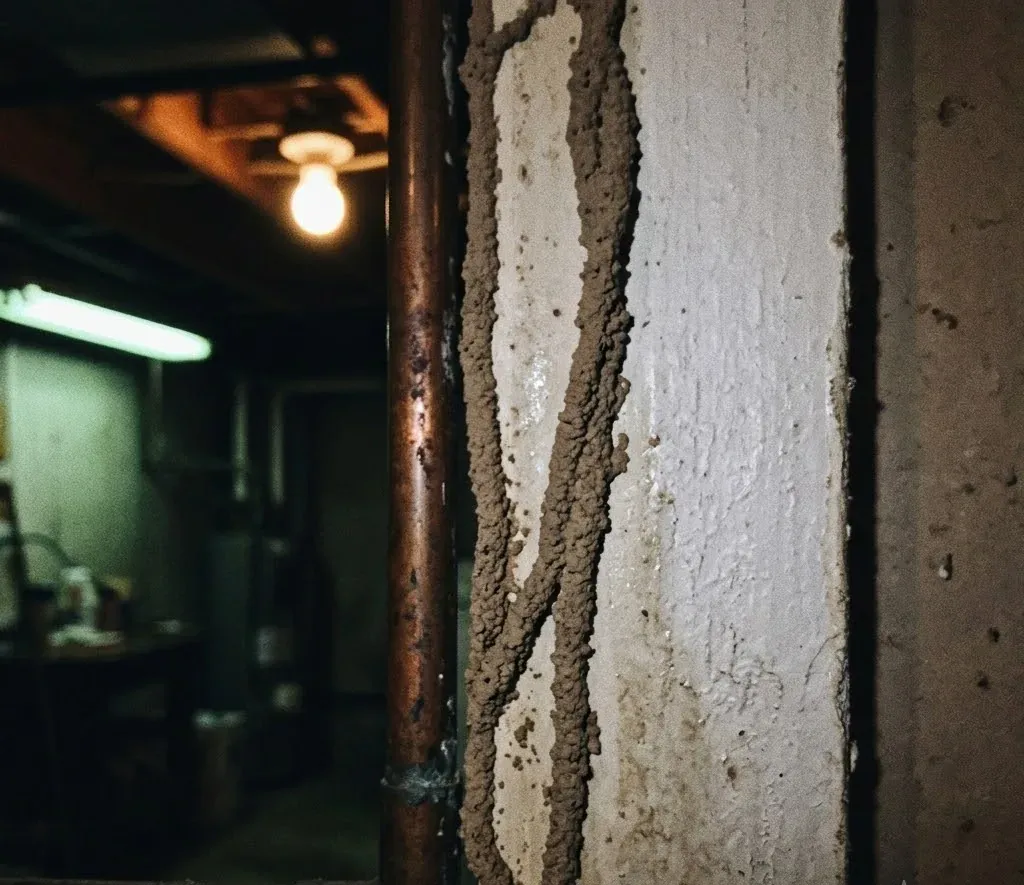
Signs of Termite Damage
Learn which changes in wood, wall finishes, floors, and trim may signal termite damage in South Fulton, and what to record before an inspection.
Read article
When wood concerns arise, focus first on what the inspection can establish. For a South Fulton property, an inspection can help determine what the observed evidence means for that structure. Keep questions about treatment separate from questions about what the inspection found. A written report describes the areas reviewed; it does not certify every concealed space as clear. That distinction gives a homeowner a sound basis for discussing possible treatment or further evaluation.
Termite clues, inspection results, and treatment choices explained for South Fulton homeowners.
Learn which changes in wood, wall finishes, floors, and trim may signal termite damage in South Fulton, and what to record before an inspection.
Read article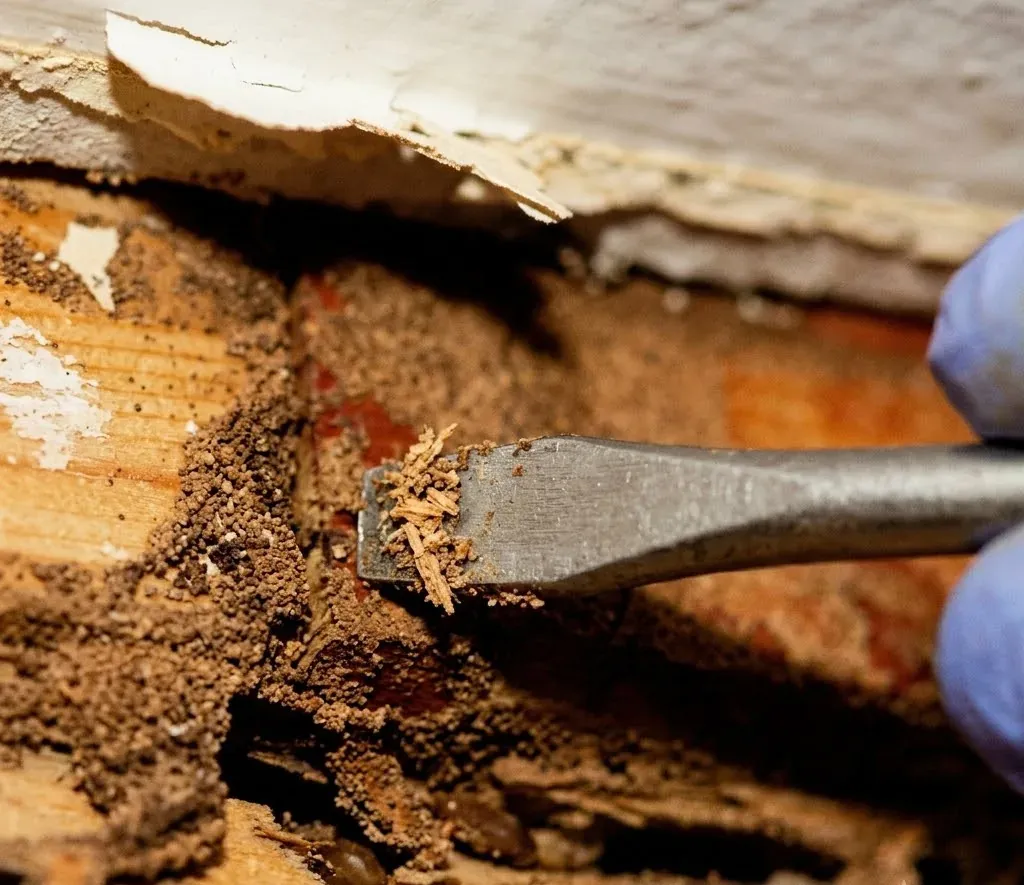
See how pellet shape, dust, and seasonal conditions can help a South Fulton homeowner assess suspected termite droppings, photograph the pile, and save a sample.
Read article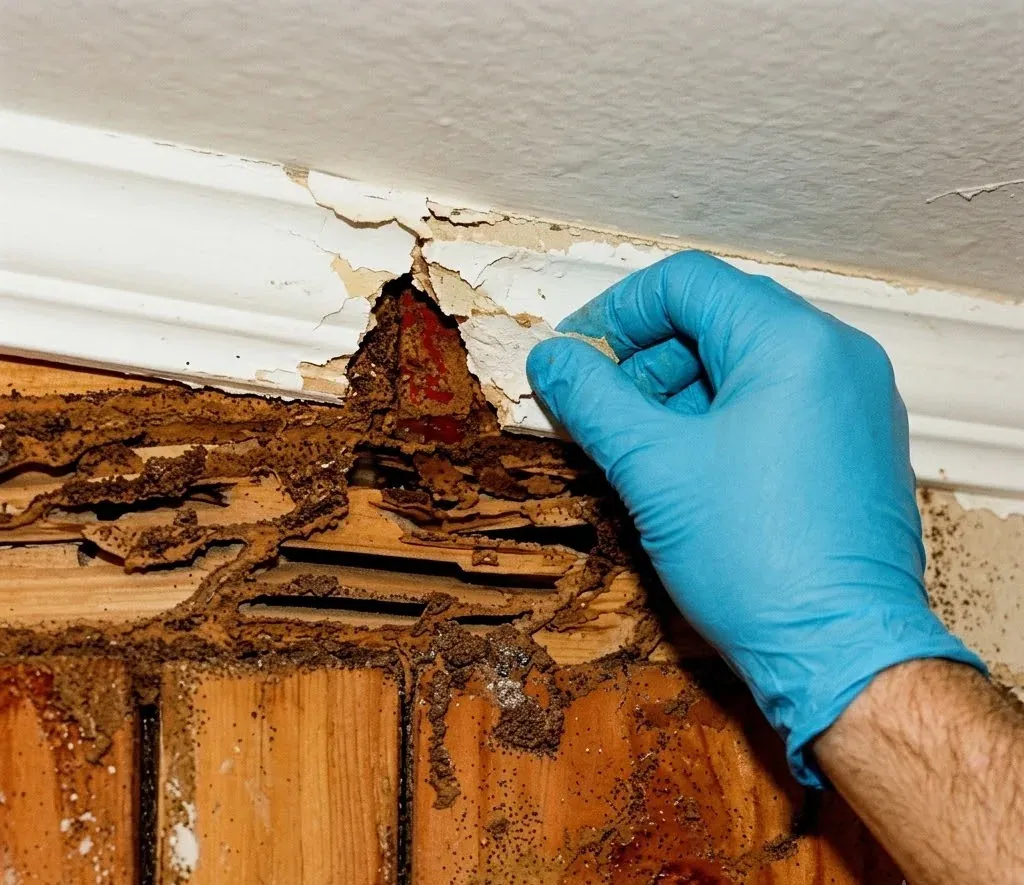
A raised foundation line may signal subterranean termite activity, but its appearance needs context. See what a South Fulton homeowner can document for an inspection.
Read articleKeep any past inspection or treatment records available for the review. A report can describe what the inspector observed in the areas checked and note concerns that may need attention. For a home near Aerotropolis Nature Park, ask which areas were inaccessible and how that limits the findings. Ask whether the quote excludes any work mentioned in the report. Clear terms let the owner compare the proposed work with the inspection.
After findings, a South Fulton owner can compare proposals by the work each one names. The recommendation should fit the termite issue and the structure. Ask the provider to describe the areas included and any preparation expected. Clarify whether wood repair is part of the quote or handled separately. If the agreement calls for later reviews, ask what prompts them and how results are recorded. Read the retreatment terms, including any conditions that apply before more work is offered.
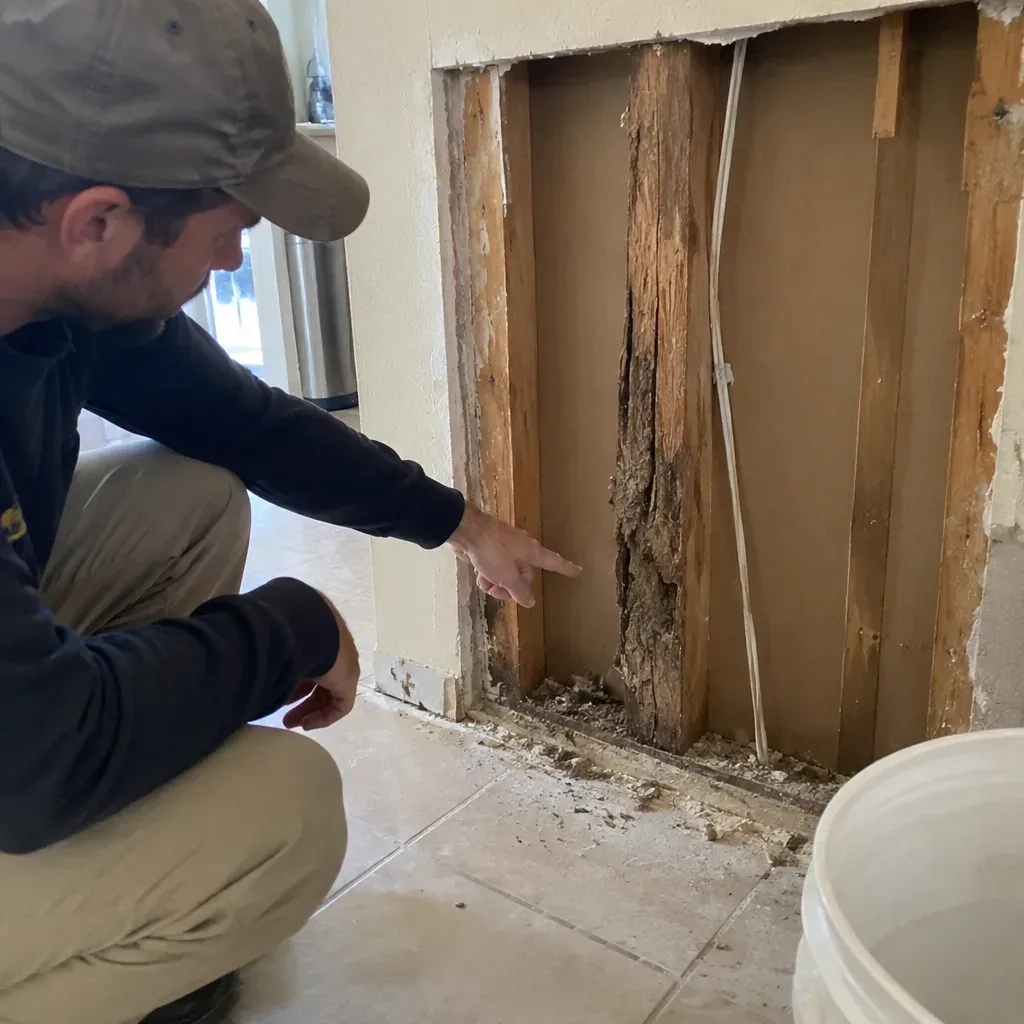
See what a property inspection can document and where access may be limited.
View Termite Inspection help in South Fulton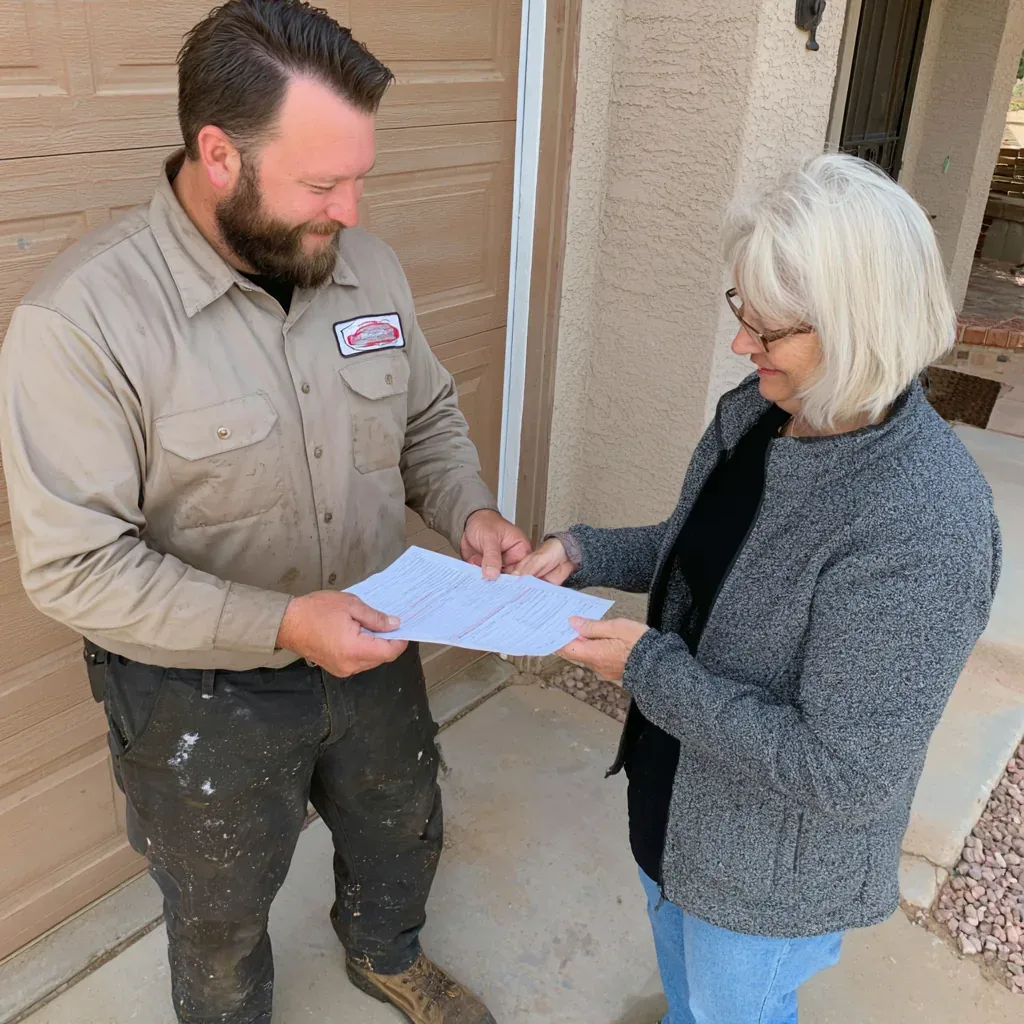
See what a termite report records and what remains outside its inspection scope
View Termite Report help in South Fulton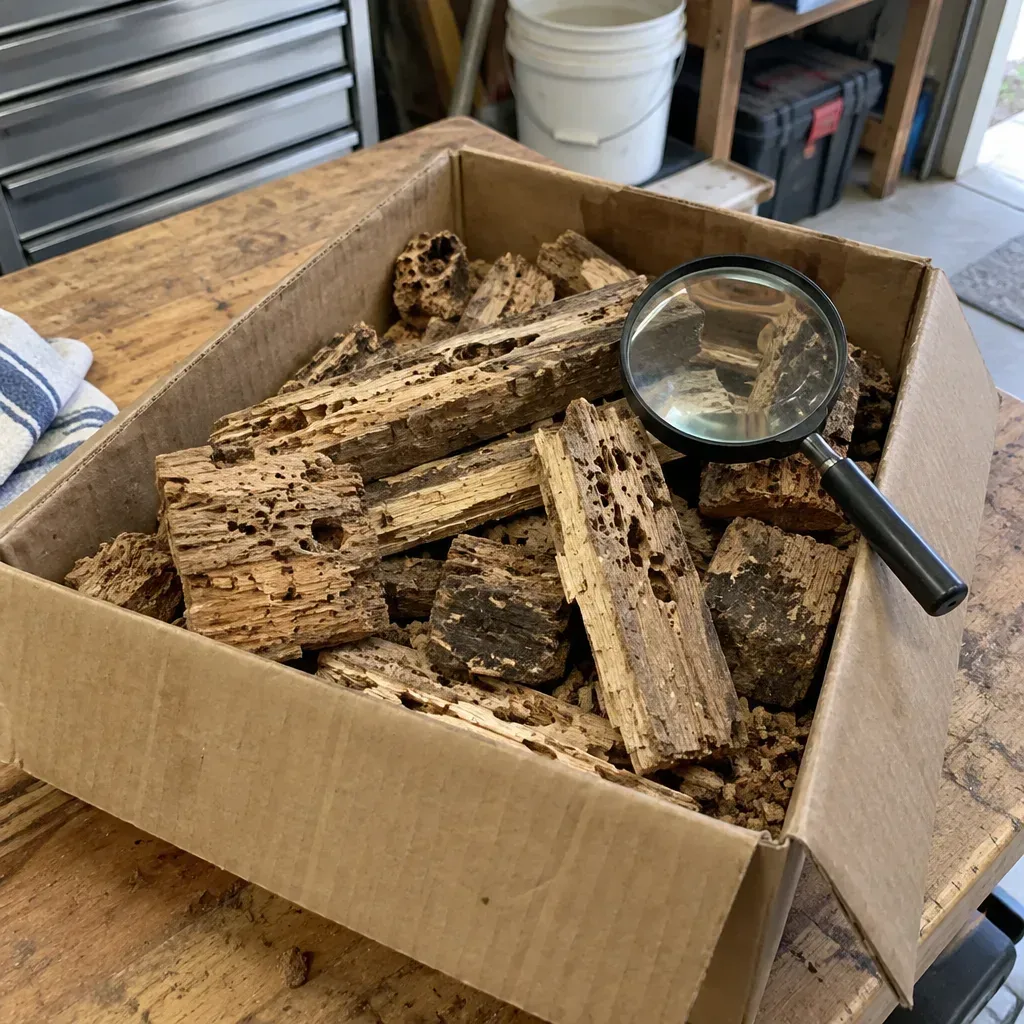
Follow the inspection from visible signs to planned liquid soil placement.
View Subterranean Termite Treatment help in South Fulton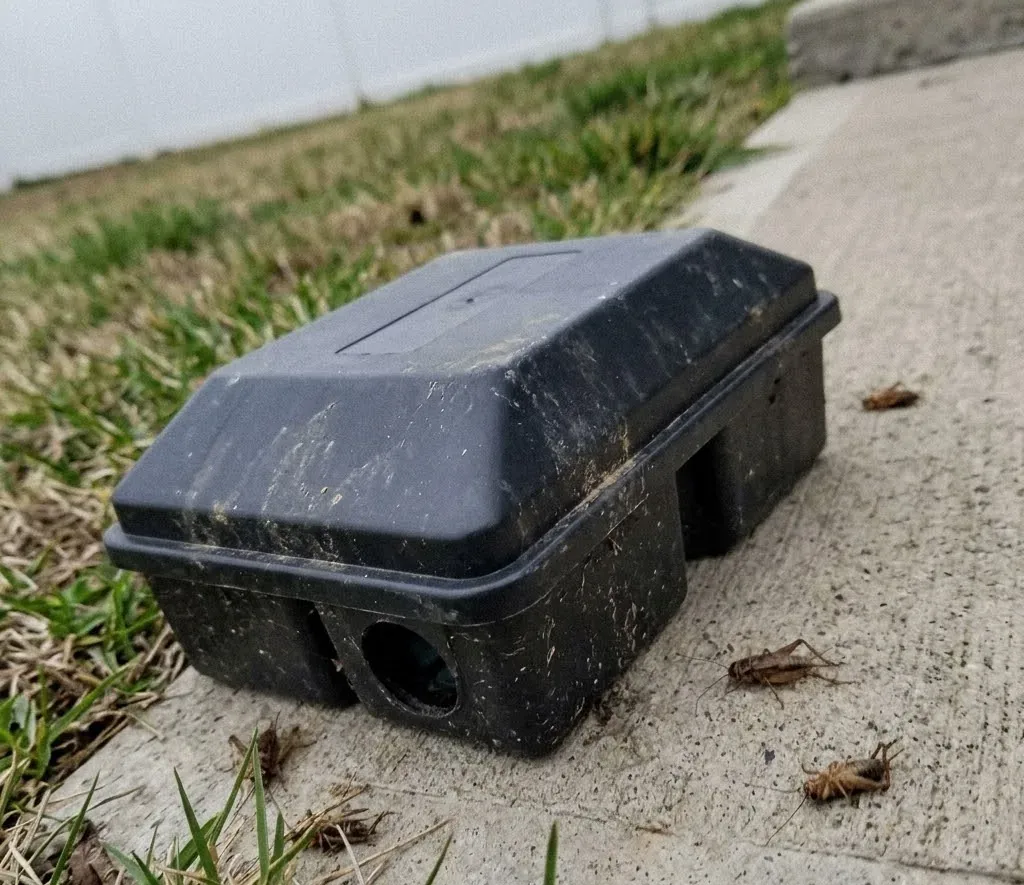
How installers mark, set, and prepare bait stations for South Fulton homes
View Termite Bait System Installation help in South FultonVisible wood damage and active termite activity answer different questions. A surface can show deterioration, while concealed framing may need further evaluation to establish the extent. An inspection also checks for conditions that may support activity, such as dampness beside framing or wood that meets the ground. In South Fulton, a home near Interstate 85, Ben Hill Park, or Farris Park still needs its own findings; a place name says nothing about its condition. Ask the pros we connect you with whether the findings call for treatment discussion or repair review.
Sound-looking trim does not establish that concealed framing is clear. Termites can affect wood inside walls, where a visual visit may not expose the full extent. A report can record damage seen in accessible areas and flag locations needing closer evaluation. The owner should read its scope alongside its findings: an unexamined cavity remains unknown, not cleared. Mud tubes along a surface can provide another visible clue, though they do not show what lies behind it. An inspection can inform that decision, but it does not define hidden repair needs.
Termite Inspection →A report can record a mud tube, discarded wings, or other visible clues, along with where they appeared. Those observations help a reader understand what prompted attention, but they do not alone confirm current activity. In South Fulton, the written finding should connect the observation to the inspected area and date. If an owner has seen a possible sign, note its location and describe it to the pro. Leave it undisturbed until the inspection, so its condition can be assessed.
Termite Report →Subterranean termite treatment with liquid product places termiticide in suitable soil near a structure. The treated zone can intercept termites traveling between soil and wood. An inspection helps locate likely entry areas and visible damage before work is proposed. A mud tube or damaged sill is a reason to inspect, not proof that a particular soil application is needed. The provider should connect each proposed treatment area to an observed condition and explain what the treatment is intended to address.
Subterranean Termite Treatment →A station layout needs to account for more than the visible foundation line. A porch slab, attached steps, or a driveway may leave sections without suitable soil access. The installer can map the points that remain reachable and explain any gaps. On a South Fulton lot with a long side yard, the route may differ from a compact lot with paving close to the house. The proposed plan should identify where termite bait stations will sit and whether each can be reached later.
Termite Bait System Installation →Give the pros we connect you with the property address to check whether they can provide termite service there.
Start with the inspection record for a South Fulton property, then use it to frame the next decision. A report should identify what the inspector observed and which areas were reviewed; it cannot describe places that were not examined. Keep the findings available when discussing what to do next. Ask for findings tied to the areas checked before weighing treatment, monitoring, or repairs.
ZIP 30213 has residential delivery coverage; Fairburn’s historic landmarks provide location context, not evidence of termites.
Termite control in FairburnPalmetto’s railroad-town center offers a local reference, while each home’s build history and condition need individual review.
Termite control in PalmettoUnion City’s ZIP 30291 has residential delivery, but local sources do not establish construction eras or termite rates.
Termite control in Union CityDouglasville’s humid summers make moisture worth tracking through the year; property conditions guide termite decisions.
Termite control in DouglasvilleIn South Fulton, look below porch steps and along siding for wood close to soil. Note damp spots near stored lumber or crawlspace openings for the inspector. This page introduces Termite Inspection, Termite Report, Subterranean Termite Treatment from the pros we connect you with near Farris Park and across Fulton.
For a subdivision lot near Historic Mable House, ask who will monitor bait stations and how to keep them accessible. Before agreeing, have the pros we connect you with explain what prompts follow-up and what the retreatment terms cover.
An inspection can help identify termite activity before deciding whether treatment is needed. Referral availability follows communities from Fairburn and Palmetto to Union City and Douglasville, while the address helps determine where the request belongs for routing purposes.
At the visit, the inspector checks accessible areas for activity, wood damage, and conditions that can support termites. The inspector may also note areas that were blocked or difficult to access during the visit. The pros we connect you with use those findings to outline recommended treatment, monitoring, reporting, or repair in writing. Methods depend on the issue and property. For a ranch near Trammell Crow Park or a home near Old National Park, findings still shape the plan. Before work starts, read the scope. Ask what monitoring and retreatment terms apply, and whether follow-up inspections or reports are included. Afterward, follow the provider’s instructions.
Call (404) 474-2372 or use the online form. Describe what appeared and where, and note any insects or wood changes you observed. Ask the pros we connect you with what the visit covers, when it may happen, and whether it has a charge.
Ask which parts of the property and wood the inspector can assess, what the visit covers, and what findings would guide a treatment choice.
Before treatment, ask what precautions apply to the work area and how the written plan addresses people, pets, and nearby spaces.
Ask how bait stations and treated areas will be checked over time. Have the pros we connect you with explain monitoring duties and include them in the written plan.
Start with the sign, then note its location and any earlier treatment. In South Fulton, the pros we connect you with may ask when it appeared and whether it changed. A photo and a brief note can help show how the sign looked when it was first noticed. Leaving the affected area undisturbed can help the inspector review the sign as it was found. What will the inspector record? What does the written scope include? What happens if signs are unclear?
Say what was observed and whether the signs have changed. Ask the pros we connect you with about inspection timing, availability, and any visit charge.
Before treatment starts, have the provider specify which areas are included and record the planned tasks and fees.
Ask what areas the inspection will reach and how its written findings will cover termite activity and visible wood damage.
Ask whether station covers should stay clear between visits. Find out which written findings or monitoring records follow the visit.
A South Fulton homeowner near College Park or Gateway Center Arena should check a new soft spot in trim promptly. Damage inside wood may extend beyond what shows.
For a South Fulton home, whether near the Chattahoochee River or elsewhere, soil marks on a foundation or wings by a window merit assessment. They may be old or active.
Select a guide based on the termite question the owner wants answered before placing a call.
Review how the plan handles inspection, treatment, station checks, reporting, and possible repairs before comparing its written scope.
Review the home guide for termite clues, inspection steps, and questions to settle before treatment starts.
Ask the provider to explain unfamiliar terms in the inspection report, treatment plan, or service agreement in everyday language.
Use the location of damaged wood or a mud tube to explain what an inspection should examine.
Ask about charges before scheduling a South Fulton inspection. Confirm whether the estimate has a separate fee and what each visit includes. Find out whether the written estimate covers inspection findings, proposed treatment, or both. The provider may need to inspect the property before recommending work. Get any fees and proposed scope in writing so the owner can compare them clearly.
Start with the provider’s written process: who performs the inspection, what areas are accessible, and how recommendations are explained. Ask how the proposed work would address the observed conditions. Check whether the agreement describes preparation, follow-up, and work excluded from the scope. In South Fulton, a homeowner should compare these details before choosing. Clear records make it easier to understand what the provider is offering.
An inspector checks accessible parts of the structure and looks for signs such as mud tubes, wings, or damaged wood. The visit may also note moisture near wood or wood touching soil. Those conditions can help explain where closer attention is needed. A ranch or split-level may have areas that cannot be viewed during the visit. Ask which spaces were inaccessible and whether another evaluation is needed.
The report should distinguish what the inspector observed from what the provider recommends. Visible evidence alone does not determine which treatment is appropriate. The treatment scope should identify the proposed method and locations, plus any preparation or follow-up. The plan should clarify whether treatment is limited to identified areas or covers a broader area. A report cannot describe spaces the inspector could not access.
Put the proposals side by side and compare the areas covered, treatment approach, preparation, and follow-up. Check what each provider leaves out, including repairs or work in inaccessible spaces. Coverage can differ even when two proposals recommend the same treatment method. Ask each provider to explain why its plan fits the inspection findings. Compare the written scope, not just the method name.
Make sure the proposed work addresses the conditions noted during the inspection. Keep the credential details with the written proposal for reference. Verify the provider’s details through Georgia’s structural pest control regulator. Also ask for the required service contract before treatment. The agreement should identify the work and its terms; do not rely on a verbal summary alone.
Ask what the monitoring visit checks, how the provider reports results, and what happens when a station shows activity. Keeping visit notes together can make changes in reported activity easier to follow. The owner should learn where stations are placed and whom to contact before moving one. In South Fulton, get monitoring duties and any included visits stated in the agreement. Monitoring is a service detail to compare, not an assumed part of treatment.
Read the agreement for the conditions that qualify for another treatment. Check which areas are covered, how the owner requests a follow-up, and whether monitoring is required. Note any upkeep or access duties assigned to the owner. Terms vary by provider, so a general promise is not enough to understand coverage. Ask for unclear conditions to be explained in writing before accepting the contract.
No. A ZIP code or nearby place name cannot establish termite activity at a particular house. References to Sumner Park, Sykes Park, or Sweetwater Creek State Park do not replace an inspection. Conditions differ from property to property, including within a subdivision. Ask for an address-specific inspection and written findings before deciding whether treatment is appropriate.
When reviewing termite control at $700–$1,600 for this work, check whether the proposed work includes monitoring or follow-up. The pros we connect you with can explain what the written price excludes.
A homeowner in South Fulton can begin by noting where wings, tubes, or changed wood appeared. A ranch, split-level, or subdivision lot may have different areas to examine, so describe the structure and any access concerns. Ask the pros we connect you with when an inspection can be arranged and what it covers. After the visit, review the findings and proposed next steps. Get the work, monitoring, reporting, and possible wood repair described in writing, along with any retreatment terms.
Call (404) 474-2372