Read the Body and Antennae
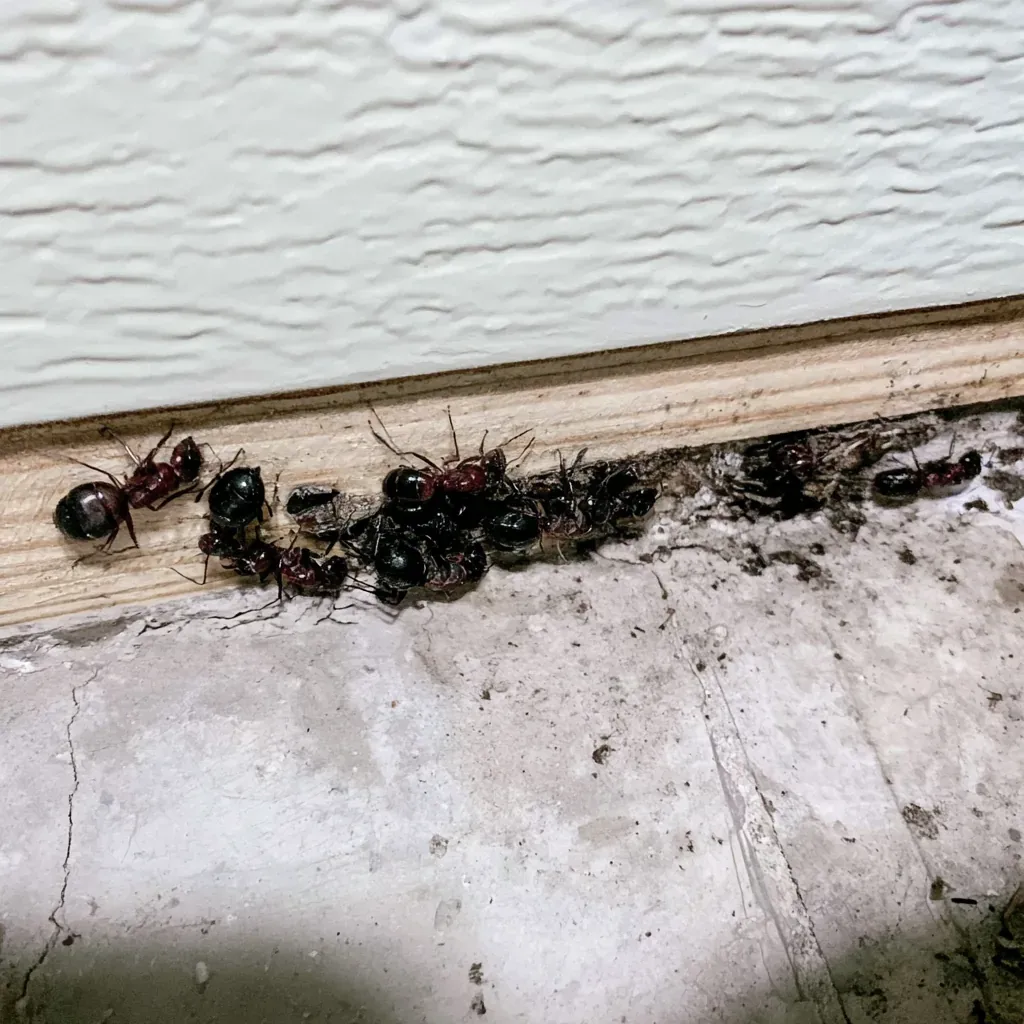
Start with the insect’s outline, then check its antennae before judging nearby wood. In South Fulton, a clear side view can separate two insects that both appear around wooden structures. Carpenter ants have a pinched waist and sharply bent antennae. Termites have a more even outline, with antennae that look straight. These features are easier to compare when the insect is intact. Color alone is less useful. A quick glance may miss the body shape, so note what is visible before deciding which clues matter next.
Look at the insect from above and from the side if it stays in view. An ant’s narrow waist divides its body into distinct sections. A termite’s body looks more uniform from front to rear. Antennae can help confirm the outline: ant antennae bend, while termite antennae appear straight. A South Fulton homeowner near Sumner Park or Sykes Park can use the same comparison as any other homeowner. Nearby place names do not identify an insect; its visible features do. If the view is poor, keep the identification uncertain.
Compare the Wing Shapes
When checking termite or ant wings, compare their lengths and arrangement. Termites have four wings that look alike in size. Carpenter ants have a longer front pair and a shorter pair behind. The wings may extend beyond the body, so look at the full insect rather than a loose wing alone. A close image can preserve this difference for later review. These clues add to body shape and antennae; they should not replace them. In South Fulton, the wing pattern is useful when a winged insect is still intact.
A winged insect by an outdoor light may be difficult to identify from a distance. The setting and color do not settle whether it is a termite or an ant. Look for the relative size of each wing pair and the insect’s waist. A homeowner in South Fulton can observe from a safe distance and note where the insect appeared. A sighting near East Point offers no special identification clue by itself. The physical details matter more than the address or the time of day.
Read the Wood Clues
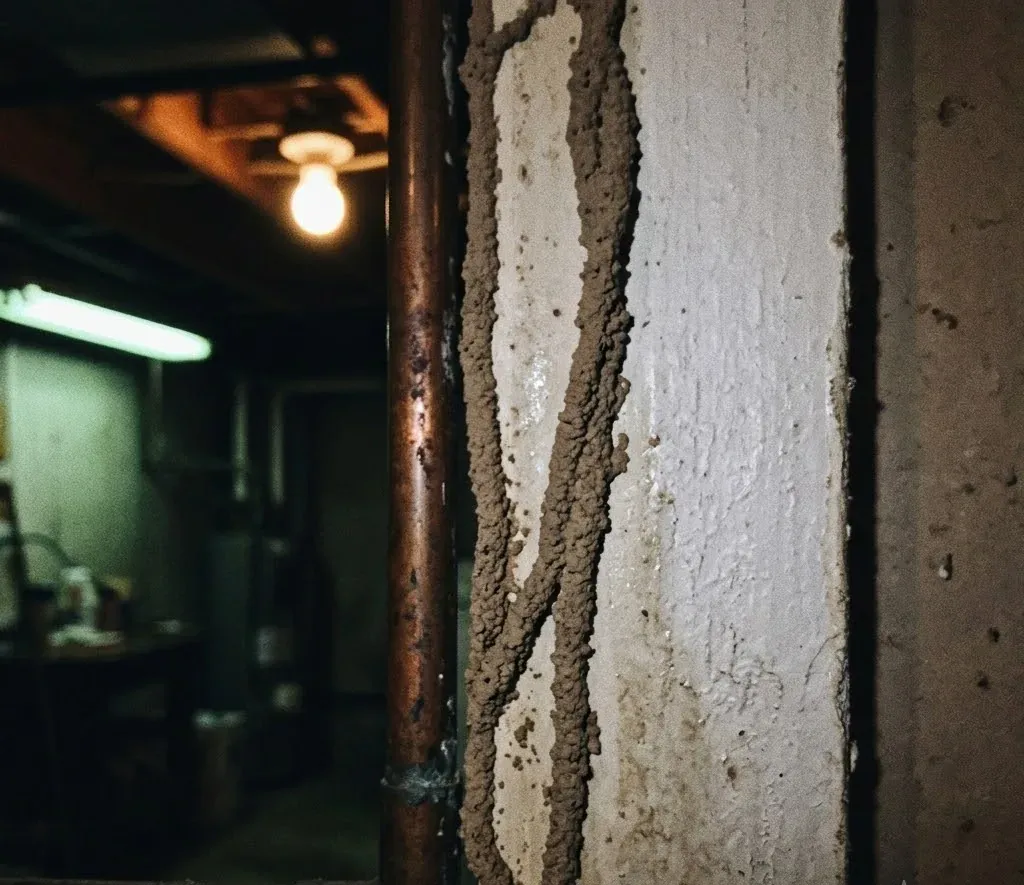
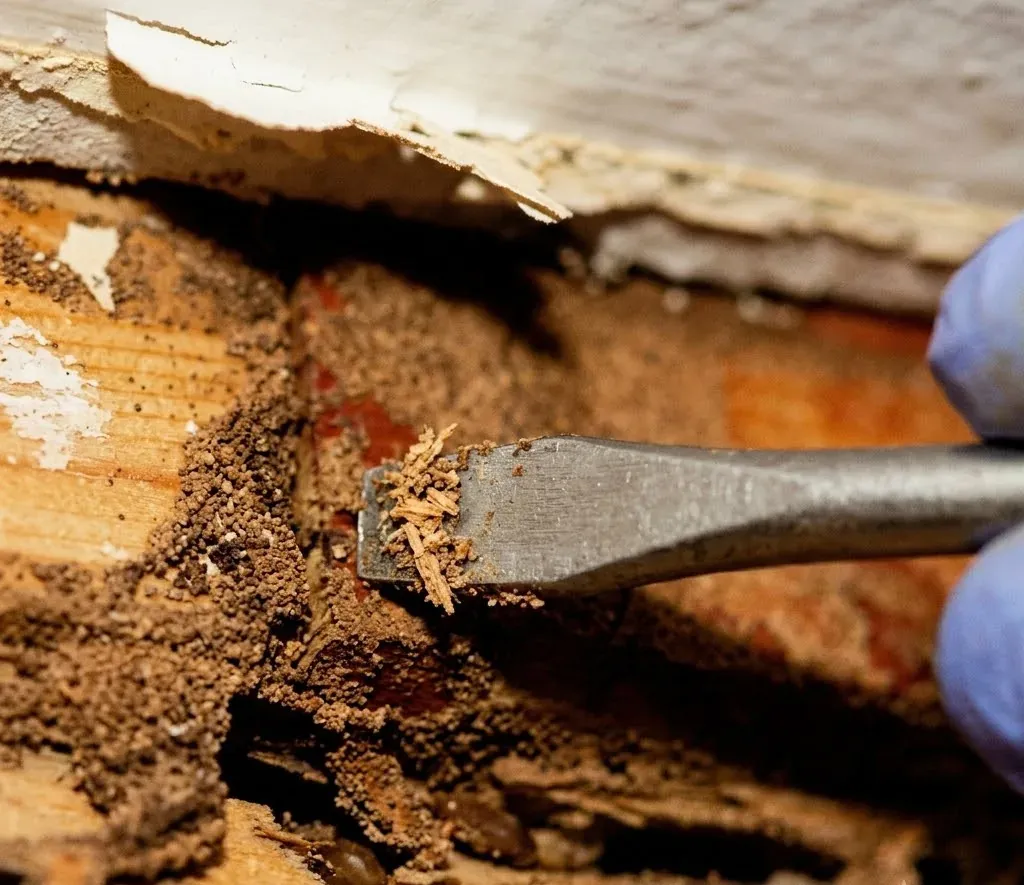
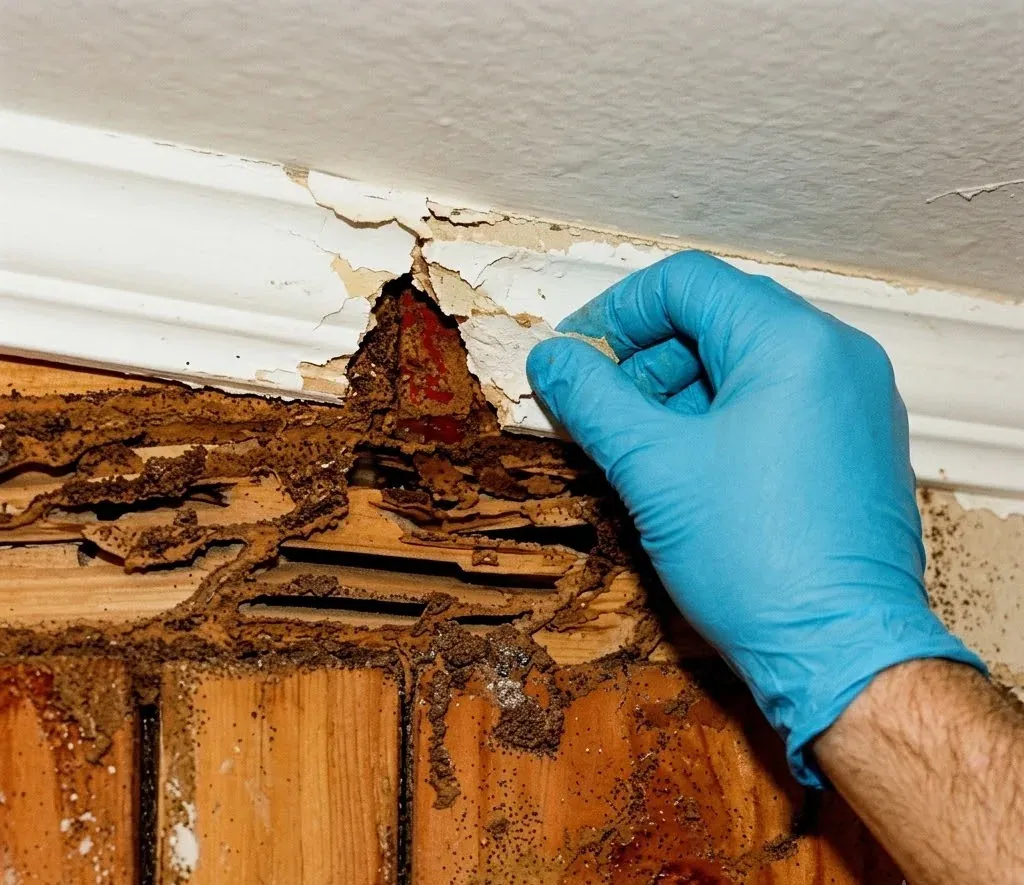
Wood damage gives a different kind of evidence. Look at nearby wood surfaces before drawing conclusions from the first damaged spot. Carpenter ants remove wood to make passageways, but they do not eat it. Coarse wood fragments near an opening may fit excavation by ants, while eaten or weakened wood can warrant closer review. Neither clue identifies the insect on its own. In a South Fulton home, record what the surface and any loose debris look like. Keep this observation separate from what a single insect seems to show.
A smooth painted surface does not show what lies beneath it. Wood inside a wall or behind trim may have damage that is not visible from the room. Carpenter ant galleries can also remain hidden within wood. Note any visible change in the material, such as a soft area or a damaged edge, without treating appearance as proof of a particular pest. For a South Fulton homeowner, the useful question is whether insect clues and wood condition point to the same concern. An inspection can assess areas that are not readily visible.
When Evidence Needs Inspection
Professional identification can help when the insect is crushed, blurred, or missing key features. It also makes sense when wood looks altered or the same signs appear again. An inspection can compare the insect, visible damage, and accessible areas of the structure. Findings describe what was observed; they do not establish conditions in parts that could not be checked. For a South Fulton property, that fuller view can help distinguish a carpenter ant gallery from possible termite damage. Uncertainty in a single clue is a reason to gather more evidence.
If collecting a specimen, avoid crushing it so its features remain visible. If the wood also appears damaged, arrange an inspection with the pros we connect you with. Mention whether the affected area seems limited or widespread. Share the location and any changes you noticed, such as new debris or a soft spot. These details help the inspector understand what prompted the concern. A South Fulton homeowner can use this record whether the property is a ranch, split-level, or subdivision home.
Dealing with termite signs at your home?
Check the area, then record what changed. A South Fulton ranch, split-level, or subdivision house may show clues in different spots. Location alone does not confirm termites. Note the room, foundation side, and date. Photograph signs without scraping or pulling at them. When contacting the pros we connect you with, give the address. Ask whether they serve that location, what inspection includes, and whether a visit charge applies. Confirm availability and timing directly. State if the property is in South Fulton, College Park, or Mableton. Discuss findings and next steps before approving work.